Integrating Brush 44 Into Your Digital Creative Workflow
In the vast ecosystem of digital art and design, the tools we choose often dictate the efficiency and quality of our output. While software platforms provide the canvas, it is the specific assets—such as custom brushes—that inject personality, texture, and speed into the creative process. Brush 44 represents a specialized tool designed to streamline specific artistic tasks, offering creators a reliable method for achieving consistent results without reinventing the wheel with every new project. Understanding how to effectively integrate this single brush into your broader workflow can significantly reduce friction during the execution phase of your work.
For professionals, freelancers, and hobbyists alike, the value of a digital asset is not measured solely by its aesthetic appeal but by its utility within a structured pipeline. This article explores the practical application of Brush 44, examining how it fits into pre-production planning, active creation, and final refinement stages. By treating this brush not just as a standalone item but as a component of a larger system, you can enhance your productivity and maintain a higher standard of quality control across your portfolio.
Understanding the Asset: What Is Included
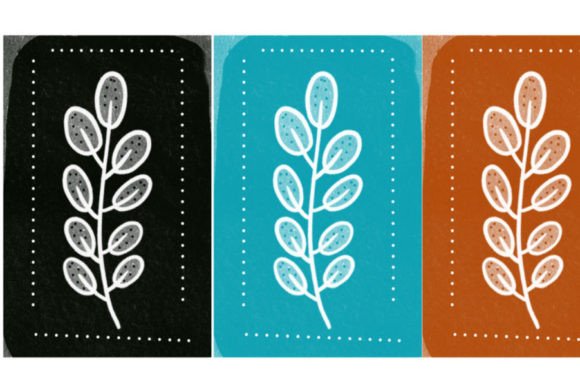
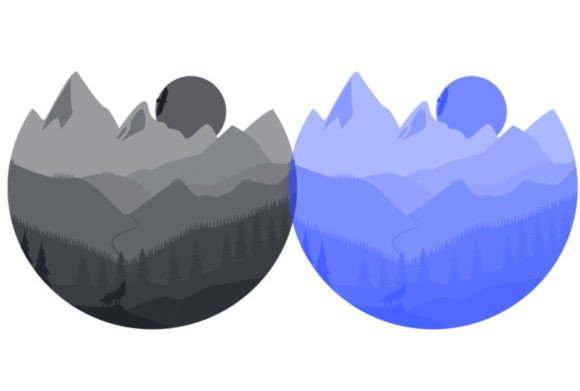
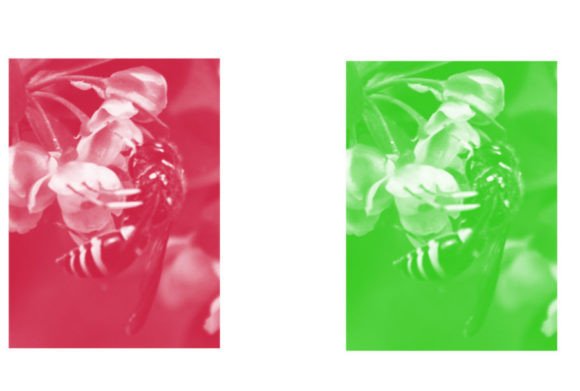
Before diving into implementation, it is crucial to understand exactly what you are working with. The package for this tool is intentionally lean, focusing on quality over quantity. When you acquire this resource, you receive a ZIP file containing either .brushes or .swatches, depending on your preferred software environment. Inside, you will find exactly one item: Brush 44.
This singular focus eliminates the clutter often associated with massive brush packs. Instead of sifting through hundreds of unused options, you are provided with a targeted solution. The file formats ensure compatibility with major industry-standard applications, allowing for seamless importation into your existing library. Whether you are using raster-based editing software or vector-compatible drawing programs, the integration process is straightforward, minimizing setup time and allowing you to focus immediately on creation.
Strategic Placement in the Creative Pipeline
The effectiveness of any tool depends on when and how it is used. Brush 44 is versatile enough to serve multiple functions throughout a project’s lifecycle. Here is how it can be strategically deployed at different stages:
Pre-Production and Planning
During the conceptual phase, consistency is key. Before committing to final renders, many creators use specific brushes to establish a visual language. Brush 44 can be used to create quick thumbnails or mood boards that define the texture and tone of the upcoming project. By standardizing this early stage with a known quantity, you reduce the cognitive load later in the process. You already know how the brush behaves, how it responds to pressure sensitivity, and how it blends with underlying layers. This familiarity allows for faster iteration during the brainstorming phase.
Active Execution and Drafting
In the thick of production, speed and reliability are paramount. Brush 44 shines here by providing a predictable stroke quality. Whether you are illustrating complex characters, designing marketing materials, or adding texture to architectural visualizations, having a go-to brush reduces decision fatigue. Instead of experimenting with settings mid-flow, you can rely on Brush 44 to deliver the desired effect consistently. This is particularly valuable for freelancers working under tight deadlines, where every minute saved contributes directly to profitability.
Post-Production and Refinement
Even after the main elements are in place, Brush 44 can play a critical role in polishing the final piece. It can be used for subtle adjustments, such as softening harsh edges, adding uniform noise or grain, or creating cohesive transitions between different elements. Because it is a single, well-calibrated tool, it helps maintain visual harmony across the entire composition. Using the same brush for final touches ensures that the added details do not clash with the primary artwork, preserving the integrity of the original vision.
Integration With Other Tools and Methods
No tool exists in isolation. To maximize the value of Brush 44, it must be viewed as part of a interconnected system. Its performance is influenced by the hardware you use, the software settings you configure, and the other assets in your library.
- Hardware Compatibility: Ensure your graphics tablet is calibrated correctly. The responsiveness of Brush 44 will depend on your device’s pressure sensitivity and tilt recognition. Regularly checking your driver settings ensures that the brush performs as intended.
- Layer Management: This brush works best when combined with a disciplined layer structure. Use it on separate layers to allow for non-destructive editing. This approach enables you to adjust opacity, blending modes, and masks without altering the underlying artwork.
- Complementary Assets: While Brush 44 is powerful on its own, it often pairs well with specific color palettes or texture overlays. Consider creating preset combinations that include this brush alongside your favorite colors, streamlining your workspace further.
By considering these interactions, you create a more robust workflow. The brush becomes a reliable node in your creative network, rather than an isolated experiment.
Practical Implementation Tips
To get the most out of Brush 44, consider adopting the following practices. These tips are designed to enhance usability, organization, and long-term efficiency.
- Standardize Your Settings: Once you find the ideal size, opacity, and flow settings for your specific style, save them as a preset. This prevents accidental changes and ensures that every time you select Brush 44, it is ready to perform.
- Create a Quick-Access Shortcut: Assign a keyboard shortcut or a customizable button on your stylus to switch to Brush 44 instantly. Reducing the number of clicks required to access your primary tools can significantly improve your workflow speed.
- Document Your Use Cases: Keep a simple log or note file where you record which projects utilized Brush 44 and what effects were achieved. Over time, this documentation becomes a valuable reference guide, helping you recall specific techniques and applications.
- Regular Maintenance: Periodically review your brush library. If Brush 44 remains a staple, keep it prominent in your toolbar. If your style evolves, reassess whether it still meets your needs. Staying intentional about your toolset prevents clutter and maintains focus.
Quality Control and Consistency
For professionals and businesses, consistency is a cornerstone of brand identity and professional reputation. Using a standardized tool like Brush 44 helps maintain a uniform look across multiple projects. This is particularly important for agencies or creators who produce series-based content, such as comic strips, educational materials, or social media campaigns. When the underlying tools remain constant, the output feels cohesive, reinforcing brand recognition and audience trust.
Moreover, relying on a tested asset reduces the risk of technical errors. Unfamiliar brushes can sometimes behave unpredictably, leading to wasted time troubleshooting or redoing work. Brush 44, being a single, focused asset, offers a lower risk profile. You can trust its behavior, allowing you to focus on creativity rather than technical debugging.
Long-Term Value and Adaptability
While trends in digital art come and go, fundamental tools that offer utility and reliability retain their value. Brush 44 is designed to be a long-term companion in your creative journey. As your skills develop, you may find new ways to utilize it. Perhaps it starts as a primary sketching tool and evolves into a specialized texturing instrument. This adaptability ensures that the initial investment continues to pay dividends over time.
Furthermore, because the file format is standard, you are not locked into a proprietary ecosystem. You can carry this asset with you as you switch software platforms or upgrade your hardware. This portability is essential for modern creators who often work across multiple devices and applications.
Final Thoughts on Workflow Integration
Integrating Brush 44 into your routine is less about learning a new technique and more about refining your existing process. It invites a mindset of intentionality, where every tool is chosen for a specific purpose. By understanding its role in preparation, execution, and refinement, you can leverage this simple asset to achieve complex results. Whether you are a seasoned professional looking to streamline your pipeline or a hobbyist seeking to improve your consistency, Brush 44 offers a practical, efficient solution. Embrace its simplicity, organize your workflow around its strengths, and watch your creative output become more polished and productive.